Introduction
When I entered the Web Designer/Developer program, I had a basic understanding of web design—mostly limited to HTML and CSS with little insight into how design choices impacted user experience. I knew how to build a static page, but not how to design for functionality or accessibility.
Throughout the program, I learned how to approach web design with the user in mind. I gained experience with responsive design, visual hierarchy, user interaction patterns, and accessibility standards.
I have demonstrated this outcome in two major internship projects I have recently started working on:
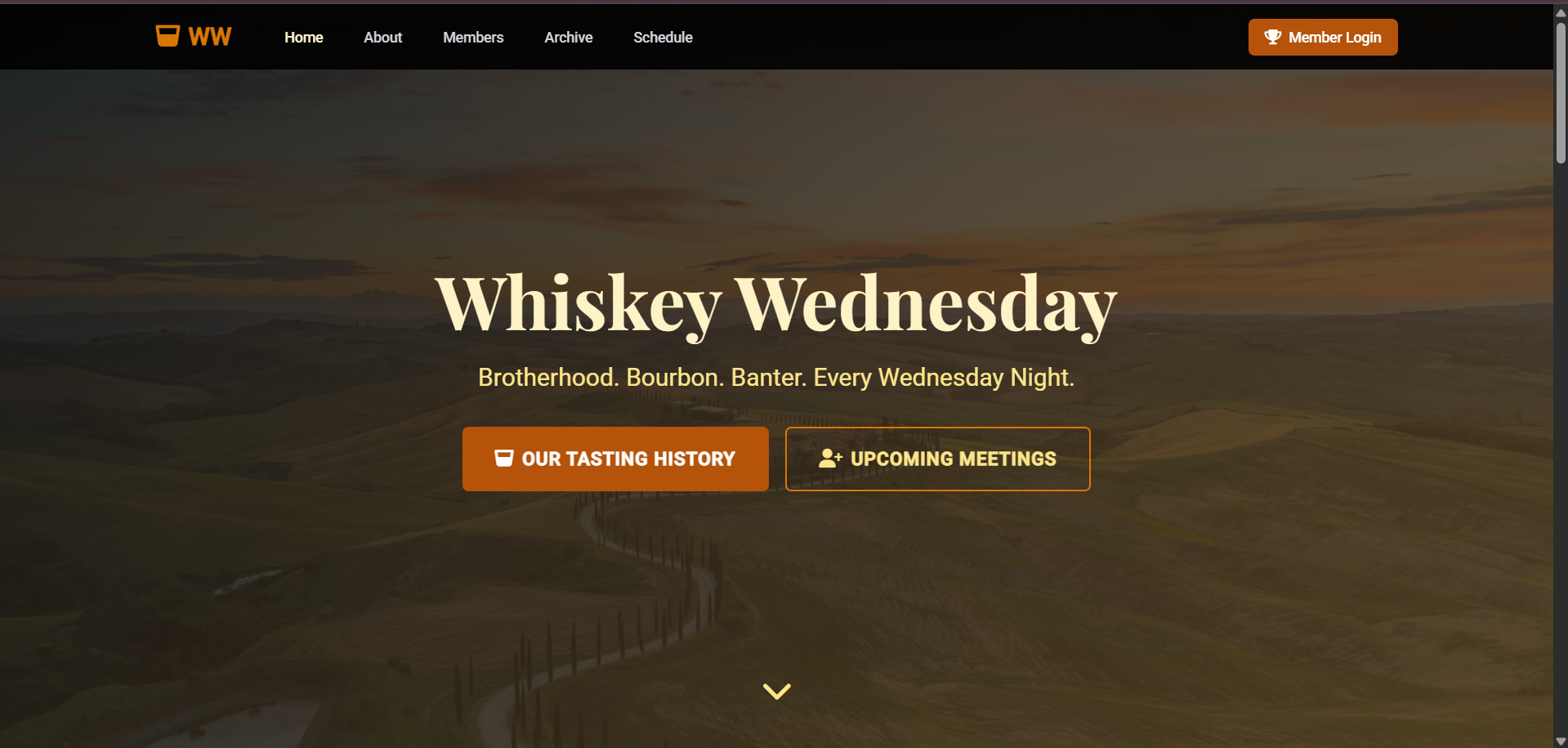
Whisky Wednesday: I applied UX principles to design an engaging homepage with animated elements, a bold hero section, and a dark gold-themed aesthetic. The goal was to reflect the personality of the community while making it easy to navigate features like the host tracker and whisky database.
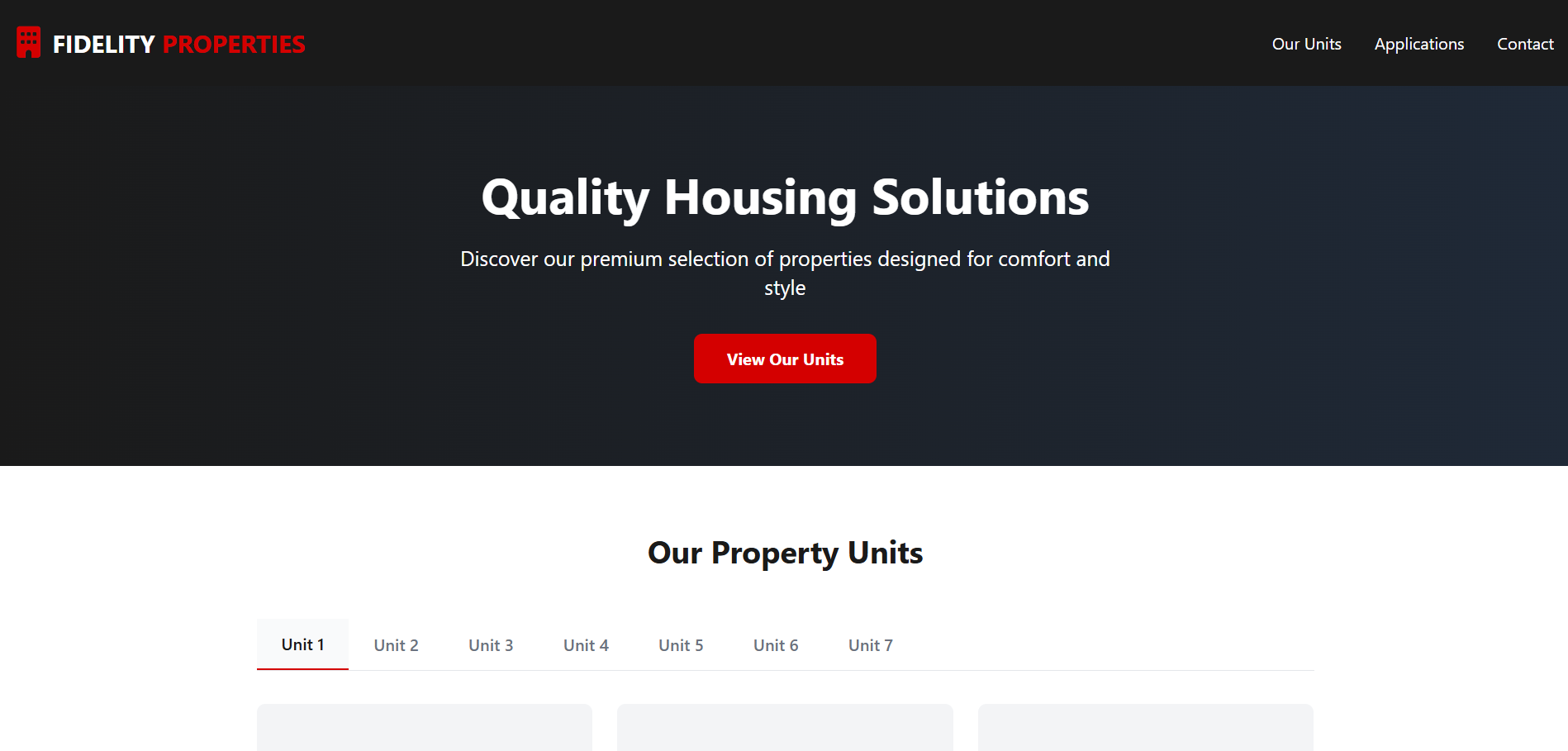
Fidelity Properties LLC: For this real-world rental site, I focused on usability and clarity. I organized the content in a way that made it easy for users to browse rental units, download or submit applications, and contact the company. I also ensured that tenants could access important forms easily, which contributes directly to a positive user experience.
These projects challenged me to think beyond code and really consider how people interact with the web. They’ve helped me grow as a designer and taught me how to bridge the gap between visual design and functionality.
Alpha Custom Apparel - Business Website Redesign & Optimization
Role: Web Producer / CMS Manager
Tools: WordPress, Kadence, GreenShift, SEO best practices
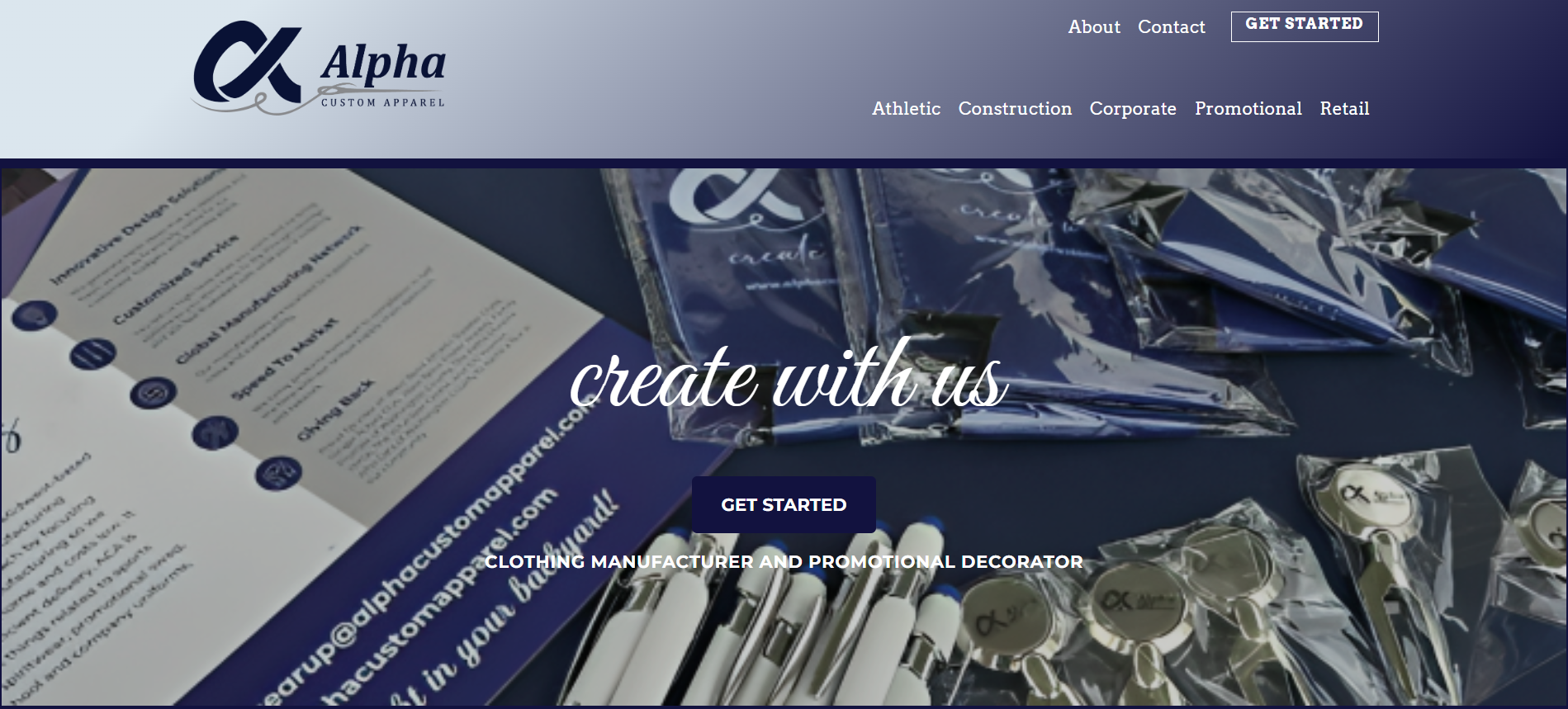
Overview: Alpha Custom Apparel’s website needed visual cleanup, clearer structure, and stronger calls to action. I focused on improving layout consistency, optimizing homepage sections, and refining the contact and inquiry flow.
What I Did:
- Cleaned up homepage layout and spacing for better visual hierarchy
- Improved CTA clarity and placement
- Optimized contact form usability
- Assisted with content and image refinements
Whiskey Wednesday - Community Web Platform
Role: Front-End Developer
Tools: HTML, CSS, JavaScript, Firebase, JSON
Overview: A visually rich community website for a private social group, designed to track schedules, members, and historical data.
What I Did:
- Designed and built a custom front-end with a dark, premium aesthetic
- Implemented dynamic schedule loading and highlighting
- Created structured member and archive sections
- Integrated authentication for private member access
Fidelity Properties - Property Management Site
Role: Front-End Developer
Tools: HTML, CSS, JavaScript
Overview: Built a complete business website for a property management company, designed to showcase rental units and streamline tenant communication.
What I Did:
- Created individual pages for each rental property
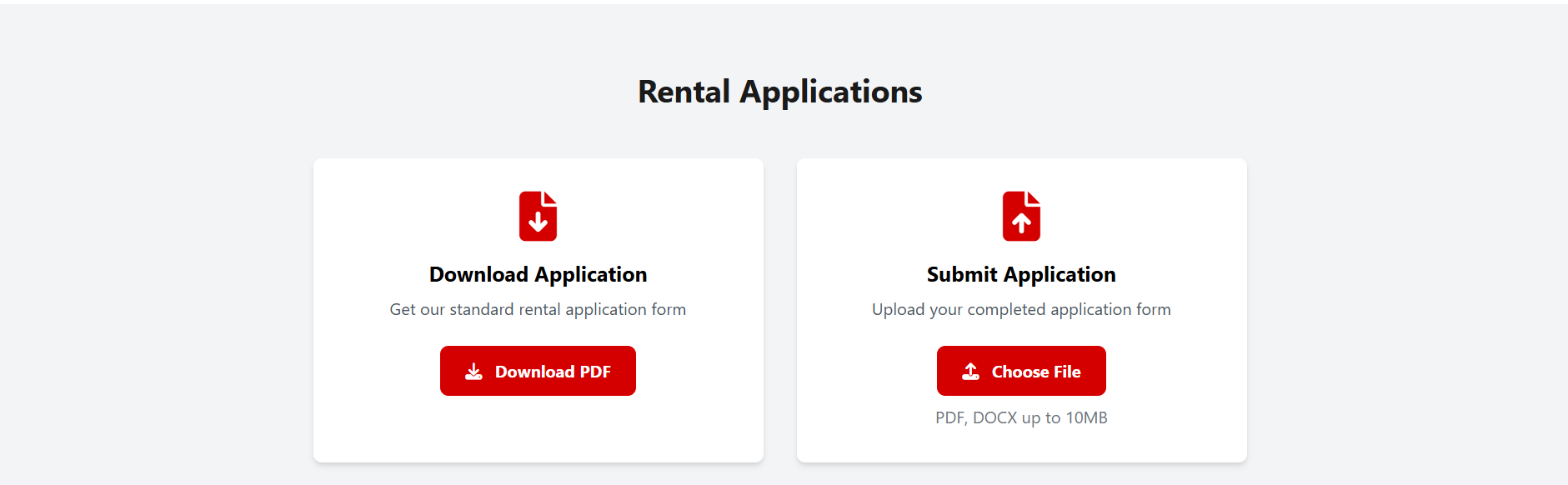
- Built downloadable and online rental application options
- Structured navigation for clarity and ease of use
- Implemented responsive layouts for mobile and desktop
My Workflow
- Plan and organize content and tasks on note-taking and planning applications such as Notion and OneNote.
- Build structured, responsive layouts
- Implement CMS content and components
- QA across devices and browsers
- Apply SEO and performance best practices
- Publish, review, and iterate
Build Web-Based Software Applications
Through my capstone and internship projects, I’ve had the opportunity to build full-featured web-based software applications that go beyond basic websites. These applications include interactive features, user authentication, dynamic content management, and responsive design—built using real-world tools and workflows.
On Whisky Wednesday, I created a fully functional member portal where users could log in, edit their profile, manage the event schedule, and browse an archive of whiskies. I implemented authentication using Firebase Auth, stored and retrieved user data with Firestore, and used JavaScript to build an interface that responds to changes in real-time. This turned a static website into a collaborative platform for a private community.
For Fidelity Properties, I built a rental management application that allows potential tenants to browse available units, download or fill out an application form, and submit it online. I also included features like a toggle system for unit availability, downloadable PDFs, and a backend structure for future scalability.
These projects taught me how to approach web apps with a software mindset—thinking in terms of workflows, user roles, and maintainable codebases. I now have experience designing, developing, and deploying web-based applications that solve real problems for real users.
Develop Project Documents
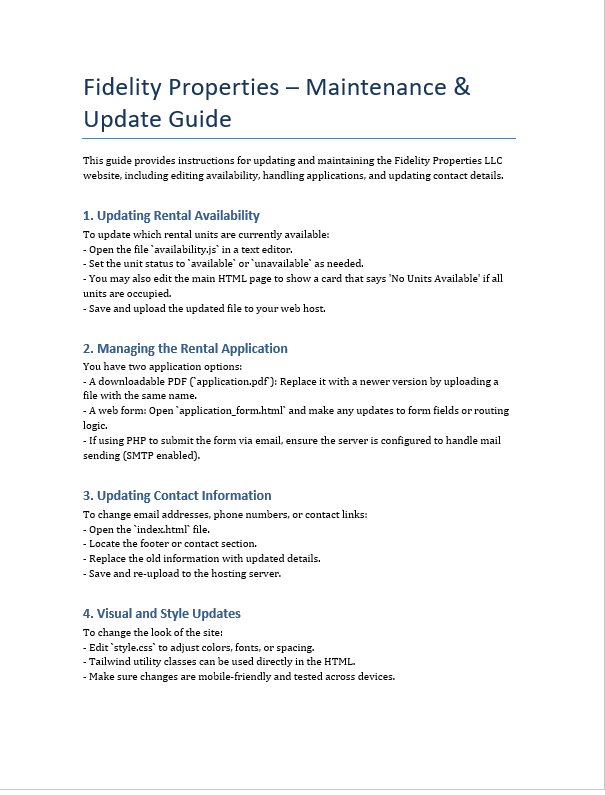
Throughout the development of my internship projects, I created and maintained project documentation to support planning, collaboration, and future updates. These documents helped define scope, guide progress, and provide clear communication with stakeholders.
For Whisky Wednesday, I created a structured content plan, project scope outline, and technical documentation that detailed how user authentication, schedule editing, and profile management would function using Firebase. I also documented how to update the whisky archive, manage Firestore data, and troubleshoot common issues—important for long-term site maintenance.
On Fidelity Properties, I produced client-facing documentation to describe the site features, how unit availability could be updated, and how application forms were handled. I also included notes on expandability, file organization, and hosting details to assist the client with future edits or handoff to another developer.
Creating these documents has made me more organized and prepared to work on professional teams. I’ve learned the value of documentation not just for tracking my own progress, but for making sure others can understand and build on my work.